
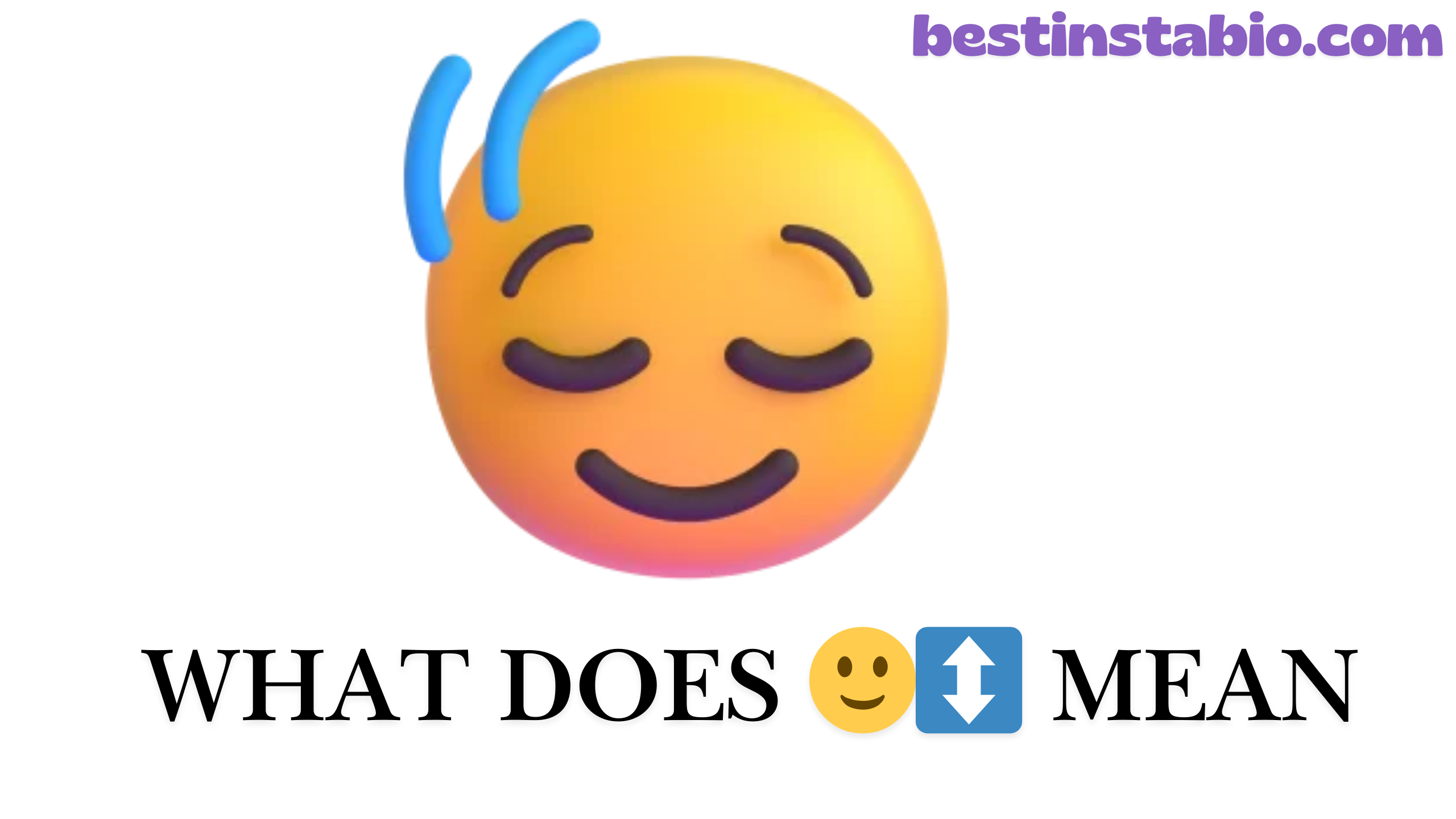
What Is the 🙂↕️ Emoji?
The 🙂↕️ emoji is officially called the “head shaking vertically emoji” or “head shaking vertically.” If you’re wondering what does 🙂↕️ mean, you’re not alone—this is one of the newest emojis that confuses a lot of people!
This nodding emoji was added to phones and computers in September 2023 as part of Emoji 15.1. It represents a person nodding their head up and down, which is the universal yes gesture in most cultures around the world.
The 🙂↕️ meaning is pretty straightforward: it shows agreement, approval, or acknowledgment. When you nod your head in real life, you’re usually saying “yes” or “I understand.” This emoji does the same thing in your text messages!
Here’s something interesting: the head shaking vertically emoji is actually made up of two separate parts combined together.
It uses a slightly smiling face (🙂) plus an up-down arrow (↕️) connected with something called a ZWJ (Zero Width Joiner). This is a fancy technical term that just means your phone combines two emojis into one animated-looking emoji.
On some older phones or computers with poor platform support, you might see it as two separate emojis (🙂↕️) instead of one smooth vertical head shake emoji. Don’t worry—that’s totally normal! It just means your device hasn’t updated to support the newest emojis yet.
Real Meaning of 🙂↕️ Head Shaking Vertically Emoji
Now let’s dive deep into what does it mean when someone sends you this agreement emoji. The head shaking vertically emoji meaning has several different uses depending on the situation. Let me break them all down for you in simple terms.
Agreement and Yes
The number one way people use this approval emoji is to say “yes” or show they agree with something. It’s basically a digital nod gesture!
When someone depicts nodding in real life, they’re showing affirmation. The 🙂↕️ emoji does exactly that in your text conversations. It’s perfect for those moments when you want to quickly agree without typing out a full response.
Think about it: when your friend asks “Want to grab lunch today?” you can just respond with 🙂↕️ instead of typing “Yes, sounds good!” It’s faster and adds a friendly visual touch to your message.
This vertical nod emoji symbolizes acceptance, confirmation, and positive acknowledgment. Unlike just typing “ok” or “yes” (which can sometimes feel cold or passive-aggressive), the head shaking emoji adds warmth and enthusiasm to your agreement.
Here’s why this yes emoji face works so well: it combines a smile with motion. You’re not just saying yes—you’re saying yes with a positive attitude.
The slightly smiling face part shows you’re happy to agree, while the vertical motion lines show active engagement.
Many people use this as an agreement emoji in group chats when they want to vote or show support for an idea without cluttering the conversation with multiple text messages. It’s clean, clear, and universally understood.
The 🙂↕️ meaning in this context is always positive. You’re essentially giving someone a virtual thumbs up with your head instead of your hand.
Greeting or Acknowledgment
Another popular way people use the head shaking vertically emoji is for greetings and acknowledgment. In many cultures, nodding is a polite way to say hello or recognize someone’s presence.
When you walk past someone in the hallway and give them a quick nod, you’re acknowledging them without needing to stop for a full conversation. The 🙂↕️ emoji works the same way in digital conversations.
You can use this nodding emoji to say “Hey, I see your message” or “Good morning” without typing out a long greeting. It’s especially useful when you’re busy or multitasking and want to show you’ve read someone’s message but can’t respond fully right away.
This emoji indicates respect and attention. When someone shares good news with you, responding with 🙂↕️ shows you’re happy for them and acknowledge their achievement. It’s like giving them a congratulatory nod.
The head shaking vertically emoji meaning as a greeting is particularly common in professional or semi-formal contexts. It’s friendly but not overly casual, making it perfect for work chats or conversations with people you don’t know super well yet.
Some people also use this vertical head shake emoji as a way to acknowledge they’ve seen information without necessarily agreeing or disagreeing. It’s like saying “Got it” or “Understood” in emoji form.
In Asian cultures particularly, a small bow or nod is a traditional greeting that shows politeness. The 🙂↕️ emoji can represent this cultural gesture in digital communication, making it globally relatable.
Listening to Music
Here’s a fun use that many competitors don’t mention: the head shaking vertically emoji is perfect for showing you’re vibing to music!
When you’re listening to a great song, you naturally bob your head up and down to the beat. The nodding head emoji perfectly depicts this physical reaction. It symbolizes enjoying music, feeling the rhythm, and getting lost in a good tune.
Music lovers use 🙂↕️ all the time when sharing playlists, recommending songs, or talking about concerts. It’s way more expressive than just saying “good song.” The head shaking emoji shows active enjoyment and energy.
You’ll see this vertical nod emoji paired with music emojis like 🎵, 🎶, 🎧, or 🔥 to show that a track is making you move. For example: “This new album is fire 🔥🙂↕️🎶” tells your friends you’re literally nodding along to every beat.
The 🙂↕️ meaning in music contexts is all about physical enjoyment and rhythm. It represents that feeling when a song hits just right and you can’t help but move your head. It’s authentic and relatable everyone who loves music understands this gesture immediately.
Electronic music fans, hip-hop lovers, and concert-goers especially love this emoji because head-bobbing is such a natural part of music culture. The agreement emoji in this case isn’t agreeing with words it’s agreeing with the vibe.
This usage fills a major gap in emoji communication. Before the head shaking vertically emoji existed, people had to use dancing emojis or just music notes. Now we have a perfect way to show that specific head-nodding motion that’s so connected to musical enjoyment.
Ending a Conversation
This is probably the most misunderstood use of the 🙂↕️ emoji, and it’s something most competitors completely miss!
The head shaking vertically emoji meaning can also signal that you’re done talking about something or want to politely end a conversation. It’s like a friendly “okay, that’s settled” or “let’s move on” gesture.
When you nod in real life while someone is talking, sometimes it means “I hear you, but I’m ready to wrap this up.”
The nodding emoji can carry that same subtle message in texts. It’s not rude—it’s just an acknowledgment that the conversation has reached a natural conclusion.
For example, if someone is giving you a long explanation and you respond with 🙂↕️👋, you’re essentially saying “Got it, thanks! Talk to you later!” The nod shows you understood, and the wave indicates goodbye.
This vertical head shake emoji is perfect for those moments when you want to exit a conversation gracefully without seeming dismissive or cold. Adding a smile emoji alongside it (like 🙂↕️😊) keeps the tone warm while still signaling closure.
Some people use this agreement emoji when they’ve explained something multiple times and want to politely indicate “This is my final answer.” It’s a gentle way to set boundaries without being harsh.
The head shaking emoji in this context symbolizes finality with friendliness. You’re not slamming the door on the conversation you’re just closing it softly. This makes it perfect for professional settings where you need to be polite but firm.
Understanding this meaning helps prevent misunderstandings. If someone sends you 🙂↕️ at the end of a long discussion, they’re probably not agreeing with everything they might just be indicating they’re ready to move forward.
How People Actually Use 🙂↕️
Let me show you real-world examples of how to use this nodding head emoji in actual conversations. These examples will help you understand the different contexts and tones.
Example 1: Agreeing Quickly
Friend: “Want to split an Uber to the party tonight?”
You: “🙂↕️ Sounds perfect!”
What it means: This head shaking vertically emoji shows immediate, enthusiastic agreement. You’re not just saying yes—you’re showing you’re genuinely happy about the plan. The approval emoji adds personality that plain text can’t match.
Another example:
Boss: “Can you have that report ready by Friday?”
You: “🙂↕️ Absolutely, I’ll have it done by Thursday afternoon.”
What it means: Here the agreement emoji shows professionalism and reliability. You’re confirming you can meet the deadline with a positive attitude. It’s friendly but still work-appropriate.
One more:
Group Chat: “Pizza or burgers for lunch?”
You: “🙂↕️ (responding to pizza option)”
What it means: In group decisions, the vertical nod emoji is a clean way to cast your vote without adding unnecessary text. Everyone immediately knows your preference.
Quick agreements are the most commonly used purpose for this emoji. It saves time while maintaining a warm, engaged tone. The 🙂↕️ meaning here is always positive and forward-moving—you’re ready to go with the plan!
Example 2: Saying Hello
Coworker: “Good morning everyone! Hope you all have a great Tuesday 😊”
You: “🙂↕️ Morning! You too!”
What it means: This head shaking vertically emoji serves as a friendly greeting acknowledgment. You’re reciprocating their positive energy without writing a long response. The nod gesture shows you saw their message and appreciate the sentiment.
Another scenario:
Acquaintance in Instagram comments: “Hey! Long time no see! How’ve you been?”
You: “🙂↕️ Hey! Been good, keeping busy! How about you?”
What it means: The nodding emoji adds a warm, acknowledging quality to your greeting. It’s like you’re virtually nodding hello to them as you would in person. This makes digital communication feel more natural and human.
Professional context:
New Client: “Thanks for taking the time to meet with me today.”
You: “🙂↕️ My pleasure! Looking forward to working together.”
What it means: The head shaking emoji adds a polite, respectful tone to your acknowledgment. It represents that professional nod of gratitude and mutual respect you’d exchange in an in-person meeting.
Using the vertical head shake emoji for greetings bridges the gap between formal and casual communication. It’s more personal than just words but not overly familiar like some other emojis might be.
Example 3: Vibing to Music
Friend shares a Spotify playlist
You: “Yo this playlist is straight fire 🔥🙂↕️🎶 Been nodding nonstop for the past hour”
What it means: Here the 🙂↕️ emoji literally depicts your physical reaction to good music. You’re showing—not just telling—that the music is making you move. The head shaking vertically emoji meaning is pure enjoyment and rhythm.
Concert context:
You posting on Instagram: “Last night’s show was insane 🎸🙂↕️ My neck hurts from all the headbanging lol”
What it means: The nodding head emoji visually represents the physical experience of enjoying live music. Everyone who’s been to a great concert immediately relates to that head-bobbing, neck-sore feeling!
Music recommendation:
Friend: “You NEED to listen to this new album”
You: 30 minutes later “Dude. DUDE. Track 5 had me like 🙂↕️🙂↕️🙂↕️ on repeat”
What it means: Using multiple head shaking emojis emphasizes how much the music moved you. It’s playful and expressive. The vertical nod emoji shows continuous, enthusiastic head-bobbing throughout the entire song.
Sharing a song:
You: “This beat 🙂↕️💯 [link to song]”
What it means: The agreement emoji here isn’t about agreeing with words—it’s agreeing with the vibe. You’re saying “this is the one” or “this hits different.” The nod gesture symbolizes approval of the musical quality.
This usage makes the head shaking vertically emoji incredibly valuable for music lovers. It’s one of the few emojis that perfectly captures that specific feeling of nodding to a beat.
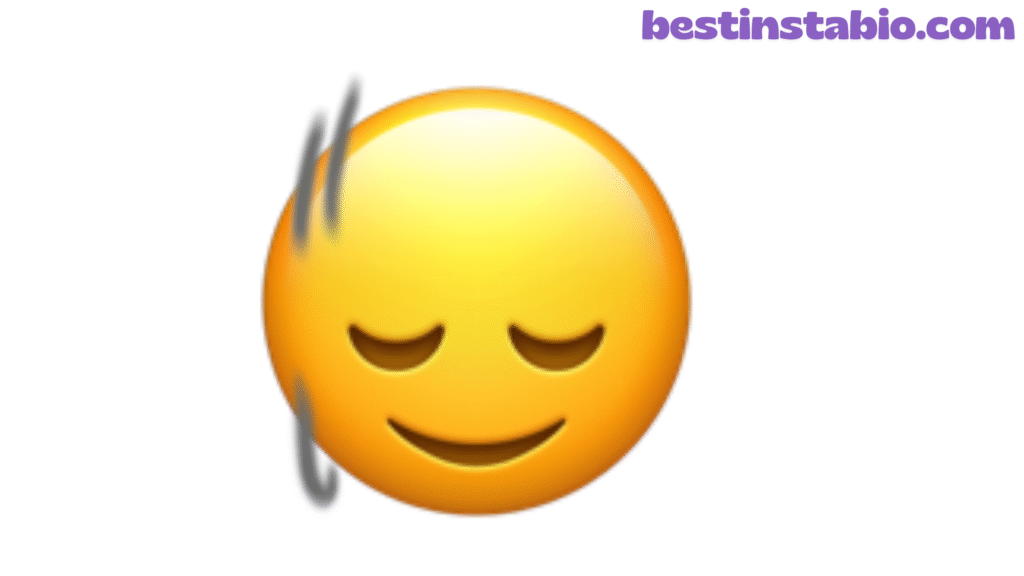
Why Does 🙂↕️ Look Different on Different Phones?
If you’ve sent or received the head shaking vertically emoji and it looks weird or broken, don’t panic! There’s a technical reason for this, and I’ll explain it in simple terms.
The Technical Explanation (Made Simple)
The 🙂↕️ emoji is what’s called a “ZWJ sequence” emoji. ZWJ stands for Zero Width Joiner—a fancy computer term that just means this emoji is actually made of multiple parts glued together invisibly.
Specifically, the nodding emoji combines three elements:
- The slightly smiling face (🙂)
- An invisible connector (the ZWJ)
- The up-down arrow (↕️)
When your phone has good platform support for Emoji 15.1, it displays these three parts as one smooth, animated-looking emoji. But on older devices or platforms that haven’t updated yet, you’ll see them as separate pieces sitting next to each other: 🙂↕️
Platform Differences
Let me show you how the head shaking vertically emoji looks on different platforms:
| Platform | Appearance | Support Level |
|---|---|---|
| iPhone (iOS 16.4+) | Animated nodding face | Full support ✅ |
| Android (14+) | Animated nodding face | Full support ✅ |
| Samsung | Animated nodding face | Full support ✅ |
| Animated nodding face | Full support ✅ | |
| Animated nodding face | Full support ✅ | |
| Animated nodding face | Full support ✅ | |
| Twitter/X | Animated nodding face | Full support ✅ |
| Older iPhones | Two separate emojis | Partial support ⚠️ |
| Older Android | Two separate emojis | Partial support ⚠️ |
| Some Windows | Two separate emojis | Partial support ⚠️ |
The 🙂↕️ meaning stays the same regardless of how it displays! Even if someone sees it as two separate emojis, they’ll still understand you’re nodding or showing agreement.
Why This Happens
Emojis aren’t like regular letters—they need to be programmed into your device’s operating system. When Emoji 15.1 was released in September 2023, it included this head shaking vertically emoji and several others.
But not everyone updates their phone immediately. Some people use older phones that can’t get the latest updates. Companies also take time to roll out emoji updates across all their platforms.
This creates a temporary period where the vertical head shake emoji works perfectly for some people but looks broken for others. Eventually, as more devices update, this problem will disappear.
What This Means For You
When you use the head shaking emoji, just know that:
- Most people with modern phones (updated in the past 1-2 years) will see it correctly
- Some people with older devices will see it as 🙂↕️ (two parts)
- Everyone will still understand what you mean because the context makes it clear
- Platform support is expanding constantly, so more devices support it every month
Don’t let this stop you from using the nodding head emoji! It’s a perfectly valid emoji that’s already supported on all major platforms. The display differences are minor and temporary.
How to Use This Emoji (Copy & Paste)
Want to start using the 🙂↕️ emoji right now? Here’s everything you need to know about copy and paste and how to use it on different devices.
Quick Copy & Paste
Just copy and paste this emoji directly from here:
🙂↕️
Simply tap or click on it, copy it (Ctrl+C on computers, long-press on phones), and paste it wherever you want to use it!
Finding It On Your Phone Keyboard
iPhone Users:
- Open any messaging app
- Tap the emoji keyboard button (the smiley face icon)
- Tap the search icon (magnifying glass)
- Type “nod” or “vertical” or “shake”
- The head shaking vertically emoji should appear
- Tap it to add it to your frequently used emojis for quick access later
Android Users:
- Open your keyboard in any app
- Switch to the emoji keyboard
- Tap the search icon
- Search for “nodding” or “vertical head”
- Select the nodding emoji from results
- It’ll be added to your recent emojis for easy access
Samsung Keyboard Users:
- Open the Samsung keyboard
- Tap the emoji button
- Use the search function
- Type “head shake” or “nod”
- Select the 🙂↕️ emoji
Using It On Desktop/Computer
Windows Users:
- Press Windows Key + Period (.) or Windows Key + Semicolon (;)
- This opens the emoji picker
- Search for “nod” or “head shake”
- Click the head shaking vertically emoji to insert it
Mac Users:
- Press Command + Control + Spacebar
- The emoji picker will appear
- Search for “nodding” or “vertical”
- Double-click the vertical nod emoji to use it
Web Browsers:
- Most modern browsers support emoji input
- Right-click in any text field and select “Emoji” from the menu
- Or just copy and paste from this article!
Tips For Using This Emoji
Here are some practical tips on how to use the agreement emoji effectively:
- Don’t overuse it – Like any emoji, using 🙂↕️ too much in one conversation can make it lose impact. Use it when it genuinely adds meaning.
- Combine with other emojis – The head shaking emoji works great with other emojis like 👍, ✅, 😊, 🎵, or 👋 depending on context.
- Consider your audience – In very formal business emails, you might want to skip emojis entirely. But in team chats or casual work messages, the nodding head emoji is perfectly appropriate.
- Use it to save time – When you’re busy and someone asks a yes/no question, 🙂↕️ is a quick, friendly way to respond without typing.
- Show enthusiasm – Pair it with exclamation points to show extra enthusiasm: “🙂↕️ Let’s do it!”
- Cultural awareness – Remember that while nodding means “yes” in most cultures, there are a few places where head gestures mean different things. The 🙂↕️ meaning is generally understood globally though.
What If It Doesn’t Work?
If you can’t find the head shaking vertically emoji on your keyboard:
- Update your device – Make sure your phone or computer is running the latest operating system
- Update your apps – Make sure your messaging apps are updated to the latest versions
- Use copy and paste – You can always copy and paste from websites like this one or emoji databases
- Wait a bit – If you have an older device, platform support might come in a future update
The vertical head shake emoji is still relatively new (only from 2023), so not every device has it yet. But it’s spreading quickly across all platforms.
Emojis Similar to 🙂↕️
If you like the head shaking vertically emoji, here are some related emojis that symbolize similar meanings or gestures. Understanding these will help you pick the perfect emoji for any situation.
Direct Alternatives
| Emoji | Name | Meaning | When to Use It |
|---|---|---|---|
| 🙂↔️ | Head Shaking Horizontally | Means “no” or disagreement | When you want to politely decline or show you disagree |
| 👍 | Thumbs Up | Approval and agreement | Classic way to show you like something or agree |
| ✅ | Check Mark | Confirmation, “done,” affirmation | When something is completed or you’re confirming a fact |
| 👌 | OK Hand | “Okay,” “perfect,” approval | When everything is good or you approve of something |
| 🙆 | Person Gesturing OK | Agreement, “I’m okay with this” | Shows acceptance and positive acknowledgment |
Mood-Based Alternatives
The 🙂↕️ emoji has a slightly smiling face, which gives it a neutral-positive vibe. Here are alternatives for different emotional tones:
More Enthusiastic Agreement:
- 😊 (Smiling Face with Smiling Eyes) – Warmer and happier
- 😄 (Grinning Face with Smiling Eyes) – Super enthusiastic
- 🤩 (Star-Struck) – Excited agreement
- 💯 (Hundred Points) – Full approval and support
More Formal Agreement:
- 🫡 (Saluting Face) – Respectful acknowledgment
- 🙏 (Folded Hands) – Thank you and agreement
- 👏 (Clapping Hands) – Approval and appreciation
- 💪 (Flexed Biceps) – “Let’s do this” energy
Musical Vibes (like the nodding to music use):
- 🎧 (Headphones) – Listening to music
- 🎵 (Musical Note) – Music in general
- 🎶 (Musical Notes) – Melody and rhythm
- 🔥 (Fire) – When music is amazing
- 💃 (Woman Dancing) – Moving to music
When To Use 🙂↕️ vs Other Emojis
Use 🙂↕️ when:
- You want to show agreement with a conversational, natural tone
- You’re nodding along to music
- You want to acknowledge something without being too enthusiastic
- You need a neutral-positive response
- You’re greeting someone casually
Use 🙂↔️ (horizontal shaking) when:
- You want to politely say “no”
- You disagree but want to stay friendly
- You’re turning down an offer gently
Use 👍 when:
- You want a more universal approval emoji
- You’re in a situation where not everyone might understand new emojis
- You want something more enthusiastic than 🙂↕️
Use ✅ when:
- You’re confirming completion of a task
- You’re checking off items on a list
- You want to express agreement more definitively
Emoji Combinations That Work Well
The head shaking vertically emoji works great combined with other emojis. Here are some powerful combinations:
🙂↕️ + 👍 = Enthusiastic agreement (“Yes, I definitely approve!”)
🙂↕️ + 😊 = Warm, friendly acknowledgment
🙂↕️ + 🎵 = Nodding to music
🙂↕️ + 👋 = Friendly greeting or goodbye
🙂↕️ + ✅ = Confirmed agreement
🙂↕️ + 💯 = Total approval and support
🙂↔️ + 🙂↕️ = Mixed feelings or “yes and no”
These combinations help you express more nuanced emotions than any single emoji can convey alone. The nodding emoji is versatile enough to work with almost any other emoji to modify or enhance your message.
FAQ’s
Does 🙂↕️ Mean Agreement or Confusion?
This is the biggest source of confusion about this emoji! The head shaking vertically emoji meaning is definitely agreement and affirmation, NOT confusion or uncertainty.
Here’s why people get confused: Some platforms initially displayed this emoji in a way that looked more like shrugging or uncertain movement. But the official meaning from Unicode (the organization that represents and standardizes emojis) is clear: it depicts vertical head shaking, which means nodding “yes.”
If you want to show confusion or uncertainty, use these instead:
- 🤷 (Person Shrugging) – Classic “I don’t know”
- 😕 (Confused Face) – Clearly shows confusion
- 🤔 (Thinking Face) – Shows you’re unsure or pondering
The 🙂↕️ emoji is a yes gesture, a nod gesture, and an agreement emoji. It’s positive and affirmative, never confused or uncertain.
Is It Rude to Use This Emoji?
Not at all! The head shaking vertically emoji is friendly and polite. The slightly smiling face component makes it warm and approachable.
However, context matters:
- Not rude: Using 🙂↕️ to agree with plans, acknowledge messages, or show you’re listening
- Could be misinterpreted: Using only 🙂↕️ as a response to someone’s long emotional message might seem dismissive
- Professional use: Generally fine in workplace chats, but save it for casual team communication rather than emails to executives
The nodding head emoji is one of the more professional-friendly emojis because it represents a real-world professional gesture (nodding in meetings).
Can I Use It to Say No?
No! The vertical head shake emoji means “yes,” not “no.”
For “no,” use the horizontal version: 🙂↔️ (head shaking horizontally)
This is important to get right because the 🙂↕️ meaning is the opposite of 🙂↔️:
- 🙂↕️ = Vertical nodding = YES = Agreement
- 🙂↔️ = Horizontal shaking = NO = Disagreement
Using the wrong one could cause serious misunderstandings! Imagine agreeing to something you actually wanted to decline just because you used the wrong emoji.
Why Do Some People Think It Means “Whatever”?
This is a common misinterpretation! Some people confuse the head shaking emoji with a shrug because:
- Display issues – On some devices where it doesn’t render properly, it can look ambiguous
- Cultural differences – In a few cultures, certain head movements have different meanings
- Confusion with shrugging – The vertical movement might remind people of the shrugging gesture
But remember: the official head shaking vertically emoji meaning is positive acknowledgment, NOT indifference or “whatever.” The approval emoji symbolizes “yes,” never apathy.
If you want to say “whatever” or show indifference, use:
- 🤷 (Person Shrugging) – Clear “whatever” gesture
- 😐 (Neutral Face) – Shows lack of strong feeling
- 🫤 (Face with Diagonal Mouth) – Uncertainty or “meh”
What’s the Difference Between 🙂↕️ and 👍?
Both represent agreement, but they have different vibes:
🙂↕️ (Head Shaking Vertically):
- More conversational and natural
- Depicts a physical gesture people actually do
- Neutral-positive tone
- Great for acknowledging, greeting, or showing you’re listening
- Newer, so feels more casual and current
👍 (Thumbs Up):
- More emphatic and decisive
- Classic, universally understood approval emoji
- Stronger positive tone
- Better for showing strong agreement or enthusiasm
- Older and more widely recognized
Example comparison:
Friend: “I’m thinking of applying for that job”
- 🙂↕️ = “Yeah, go for it” (encouraging, conversational)
- 👍 = “Definitely do it!” (stronger endorsement)
Boss: “Can you finish this by tomorrow?”
- 🙂↕️ = “Yes, I can” (polite acknowledgment)
- 👍 = “Absolutely!” (confident confirmation)
Both are great! The nodding emoji is just a bit softer and more nuanced than the thumbs up.
Conclusion
The 🙂↕️ emoji may look unusual at first glance, but its meaning becomes clear once you understand how it blends polite friendliness with emotional uncertainty.
In everyday conversations, people use it to express mixed feelings—moments when they’re smiling on the outside but feeling conflicted, overwhelmed, or unsure on the inside. It can also signal awkwardness, hesitation, or a desire to stay positive despite stress.
Social media users often rely on this emoji to convey relatable emotional complexity in a lighthearted, non-dramatic way.
Its subtle combination of optimism and imbalance captures the modern tone of texting perfectly: honest, nuanced, and slightly self-deprecating.
Ultimately, the 🙂↕️ emoji serves as a simple but effective tool for expressing layered emotions that words alone might not convey. Understanding its use helps you read conversations more accurately and express yourself with greater emotional clarity.