
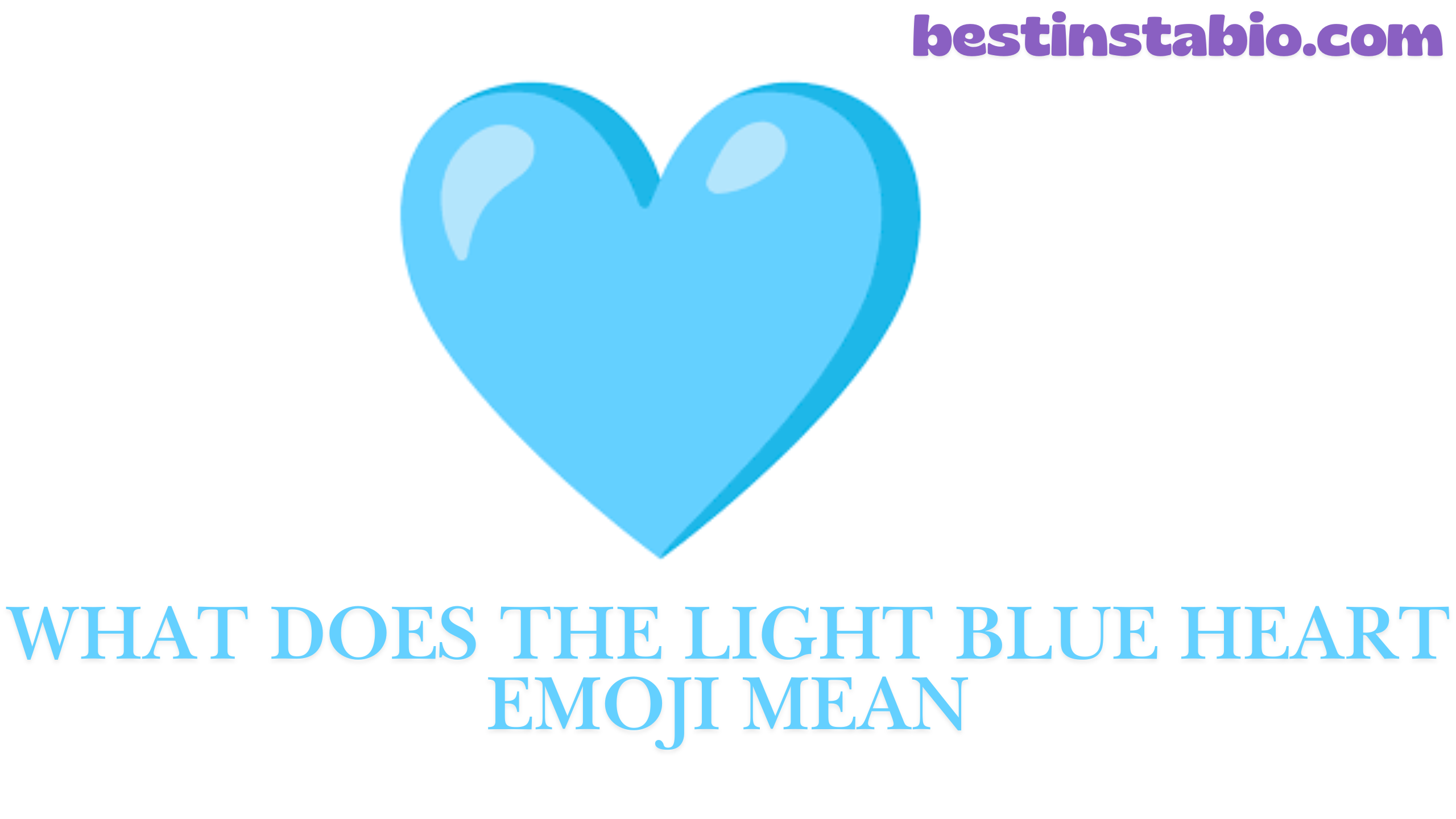
The light blue heart emoji (🩵) is one of the newest additions to our emoji keyboard, and it’s quickly becoming a favorite. But what does the light blue heart emoji mean exactly?
This cheerful and optimistic symbol represents trust, loyalty, calm, and platonic love. Unlike its deeper blue cousin, this baby blue heart emoji brings a soothing energy that’s perfect for expressing gentle, caring feelings without being too intense.
Released in 2022 as part of Unicode 15.0, the 🩵 meaning goes beyond just another color option. Many people call it the “golden retriever of emoji world” because it’s friendly, warm, and makes everyone feel good.
Whether you’re showing support for mental health, celebrating a baby boy announcement, or just sending peaceful affection to a friend, this emoji has you covered.
In this complete guide, you’ll discover everything about the light blue heart emoji meaning, when to use it, how it compares to other heart emojis, and the special symbolism behind this cyan heart emoji. Let’s dive into the boundless positive vibes this little heart brings.
The Meaning Behind the Light Blue Heart 🩵
The light blue heart emoji carries multiple beautiful meanings that make it incredibly versatile. This teal heart represents several core emotions and concepts that resonate with people worldwide.
Let’s break down what makes this emoji so special and why it’s gaining popularity across social media platforms.
The light blue heart symbolism centers around positive, calming emotions. Unlike red hearts that scream passion or yellow hearts that shout friendship, this pastel tones emoji speaks in a softer voice.
It’s gentle not overwhelming, making it perfect for situations where you want to express care without coming on too strong.
Trust and Loyalty
One of the primary meanings of the light blue heart is trust and loyalty. Just like the sky above us and the ocean that surrounds our planet, this color represents something constant and dependable. When you send a light blue heart emoji, you’re telling someone they can count on you.
This emoji symbolizes stability and security in relationships. It’s perfect for:
- Deep bonds with friends who’ve been there through thick and thin
- Showing your family you’re always there for them
- Expressing loyalty to a cause or group you believe in
- Demonstrating trust in a new friendship that’s growing stronger
- Celebrating long-term friendships that feel as steady as the sky
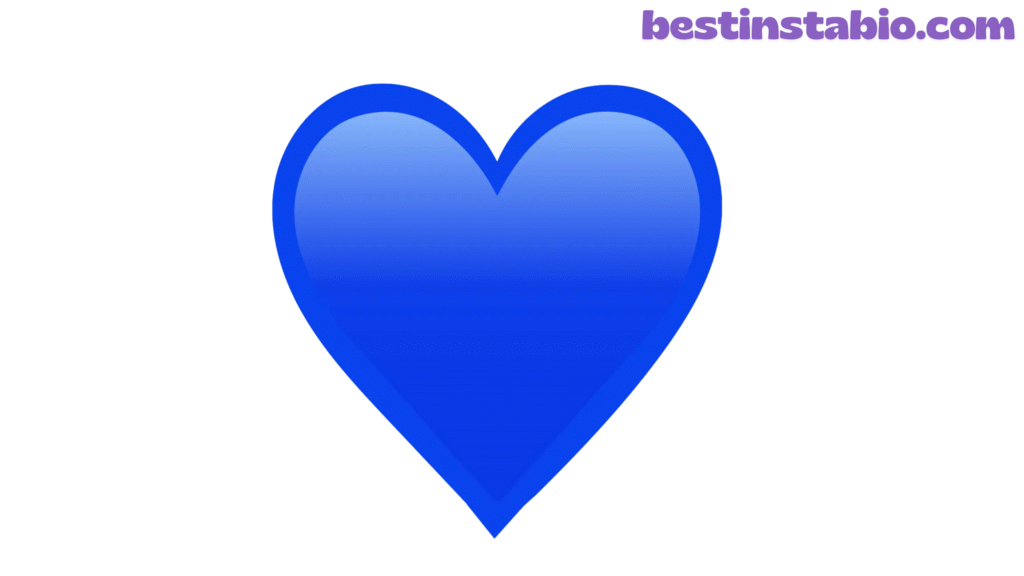
The light blue vs blue heart difference is important here. While the regular blue heart has “bro energy” and feels more casual, the light blue heart carries more emotional weight. It says “I trust you” in a way that feels tender and sincere.

Calm and Serenity
The light blue heart emoji perfectly captures feelings of calm, calmness, serenity, tranquility, and peace. This is why many people use it when they’re feeling relaxed or want to send soothing energy to someone else.
Think about how you feel when you look at a clear blue sky or calm ocean waters. That’s the exact feeling this emoji conveys! The water and sky associations make it ideal for:
- Meditation and mindfulness posts
- Sharing peaceful moments in nature
- Expressing peace of mind after a stressful situation
- Sending calming vibes to someone having a tough day
- Celebrating quiet, reflective moments
- Ocean and beach-related content
- Yoga and wellness messages
The fresh, lively, yet soothing nature of this emoji makes it perfect for aesthetic posts where you want to create a calm, cohesive visual theme. Many influencers use it specifically because it fits beautifully with pastel tones and minimalist designs.
Platonic Love and Friendship
Perhaps the most popular use of the light blue heart is to express platonic love and friendship. This is where it truly shines! The emoji represents affection that’s warm and genuine but not romantic.
When you want to show you care about someone as a friend, the light blue heart emoji is your best choice. It carries messages of understanding, compassion, and support without any romantic implications. This makes it perfect for:
- Texting friends you haven’t seen in a while
- Responding to good news from coworkers
- Showing support to acquaintances going through challenges
- Celebrating platonic relationships that matter deeply
- Expressing caring feelings for family members
- Building new friendships without mixed signals
- Group chats where you want to spread harmony
The beauty of this emoji is that it’s gentle, soft, and caring without being intense. You can use it liberally with friends, family, and even people you’re just getting to know. It creates neutral positive feelings that everyone can appreciate.
Light Blue Heart vs Regular Blue Heart
Understanding the light blue heart vs regular blue heart difference will help you choose the right emoji for every situation. While they might seem similar, these two hearts have distinct meanings and uses!
| Feature | Light Blue Heart 🩵 | Regular Blue Heart 💙 |
|---|---|---|
| Color Tone | Soft, pastel, baby blue | Deep, royal blue |
| Energy | Cheerful and optimistic, gentle | Casual, “bro energy” |
| Primary Meaning | Trust, calm, platonic love | Brand loyalty, neutrality, casual friendship |
| Emotional Weight | Moderate, sincere | Light, low-stakes |
| Best For | Close friends, mental health support, tender love | Sports teams, brands, surface-level connections |
| Romance Level | Zero (purely platonic) | Zero (purely platonic) |
| Release Date | 2022 (Unicode 15.0) | 2010 |
| Popularity | Growing rapidly | Well-established |
| Social Media Use | Aesthetic posts, wellness, support | Brand content, political posts |
| Vibe | “Golden retriever of emoji world“ | “Just guys being dudes” |
The new heart emoji 2022 (light blue) brings more emotional depth than its predecessor. While the regular blue heart feels corporate and distant, the light blue heart feels personal and warm. Think of it this way:
- Regular blue heart: “Hey, we’re cool!”
- Light blue heart: “You matter to me, and I care about you.”
The cyan heart emoji (another name for light blue heart) also stands apart from other pastel hearts. Unlike the pink heart that leans romantic or the yellow heart that screams “just friends,” this one hits the sweet spot of genuine affection with zero confusion.
When to Use the Light Blue Heart Emoji
Knowing when to use the light blue heart emoji can make your messages more meaningful and clear. This section covers the perfect situations and times when you should avoid it, so you never send the wrong signal!
Perfect Situations
The light blue heart shines in many scenarios. Here are the best times to use this soothing and gentle emoji:
1. Supporting Mental Health Conversations
The light blue heart has become a symbol of mental health awareness. Use it when:
- Someone shares their mental health journey
- You’re posting about therapy or self-care
- A friend opens up about their struggles
- You want to show compassion and understanding
- Discussing mental wellness topics
- May during Mental Health Awareness Month
2. Celebrating Platonic Relationships
Perfect for friendship without romantic undertones:
- Texting your best friend about everyday life
- Responding to photos from old friends
- Group chats with college buddies
- Thanking someone for being there
- Celebrating friendship anniversaries
- Showing appreciation for coworkers
3. Baby Boy Announcements
The baby boy association makes it ideal for:
- Gender reveal posts and announcements
- Congratulating parents of baby boys
- Baby shower invitations and thank-yous
- First birthday posts for little boys
- Nursery decoration inspiration
- Boy-themed baby content
4. Autism Awareness and Support
Light blue is the color of autism awareness, making this emoji perfect for:
- Autism Awareness Month posts (April)
- Supporting autistic individuals and families
- Sharing autism advocacy content
- Celebrating neurodiversity
- Fundraising for autism organizations
- Personal autism journey stories
5. Water and Nature Content
The water, sky, and ocean associations work great for:
- Beach vacation photos
- Swimming and water sports content
- Sky and cloud photography
- Marine conservation posts
- Summer lake trips
- Tropical destination content
- “Water is life” messages
6. Wellness and Self-Care
The calm and tranquility vibes fit perfectly with:
- Yoga and meditation posts
- Spa day content
- Morning routine shares
- Peaceful weekend plans
- Relaxation tips and tricks
- Stress-relief strategies
- Mindfulness practices
7. Expressing Gentle Support
When someone needs support but isn’t in crisis:
- Tough day at work messages
- Minor disappointments
- Small victories worth celebrating
- “Thinking of you” texts
- Everyday encouragement
- “You’ve got this” messages
8. Aesthetic and Visual Content
The pastel tones make it perfect for:
- Color-coordinated Instagram feeds
- Minimalist design posts
- Soft aesthetic photography
- Cohesive brand imagery
- Mood board creation
- Light and airy content themes
Avoid Using When…
While the light blue heart emoji is versatile, there are times to choose differently:
1. Romantic Situations
Don’t use it when:
- You’re trying to flirt or show romantic interest
- Texting someone you’re dating seriously
- Expressing passionate love (use ❤️ instead)
- Anniversary messages to your partner
- Saying “I love you” romantically
- Valentine’s Day messages to your significant other
Why? It’s too platonic and might send mixed signals or seem like you’re friendzoning someone.
2. Sympathy for Serious Loss
Avoid when:
- Someone experiences a death in the family
- A friend shares devastating news
- Responding to tragic events
- Expressing condolences for major loss
Why? It’s too cheerful for serious grief. Use the white heart 🤍 or broken heart 💔 instead.
3. Professional Formal Communication
Skip it when:
- Emailing your boss or clients
- Formal business correspondence
- Cover letters or resumes
- Professional networking messages
- Serious work discussions
Why? It’s too casual for professional settings. Keep emojis minimal in formal contexts.
4. Heated Arguments
Don’t send it during:
- Arguments or conflicts
- When you’re genuinely upset
- Passive-aggressive situations
- Times requiring serious discussion
Why? It might seem dismissive or like you’re not taking things seriously.
5. First Dates or Early Dating
Be cautious when:
- You’ve just started talking to someone romantically
- After a first or second date
- You’re unsure about the relationship status
Why? While it’s platonic, it might make someone think you’re not interested romantically if that’s your goal.
Popular Ways People Use 🩵
The light blue heart emoji has found its place in many social movements and everyday uses. Here’s how people are really using this emoji in 2024 and beyond.
Mental Health Support
The light blue heart has become a powerful symbol for mental health awareness across social media platforms. Here’s why this connection matters:
The Mental Health Connection:
- Light blue is calming and represents peace and serenity
- Mental health organizations use it in campaigns
- It shows compassion without being overwhelming
- Creates safe spaces for mental health discussions
- Demonstrates understanding and support
How People Use It:
- Personal Journey Shares: “Started therapy today 🩵 Taking care of my mental health”
- Supporting Others: “I’m here for you, always 🩵 You’re not alone in this”
- Awareness Posts: “May is Mental Health Awareness Month 🩵 Check on your friends”
- Self-Care Celebrations: “Took a mental health day and it felt amazing 🩵”
- Breaking Stigma: “Talking about mental health should be normal 🩵”
- Therapy Wins: “My therapist helped me realize something important today 🩵”
Why It Works: The gentle, soothing nature of this emoji makes people feel safe opening up. It’s become shorthand for “I care about your mental wellbeing” in a way that feels tender and sincere.
Baby Boy Announcements
The baby boy association has made this emoji a staple in parenting content and gender reveals!
Popular Uses:
- Gender Reveals: “It’s a boy! 🩵💙👶”
- Birth Announcements: “Welcome to the world, baby James! 🩵 Born December 5, 2024”
- Pregnancy Updates: “20 weeks with our little guy 🩵”
- Baby Shower Invitations: “Join us for a baby boy shower 🩵”
- Monthly Milestones: “6 months old today! 🩵 Time flies”
- Nursery Reveals: “Finally finished his room! 🩵 So in love with this space”
- Big Brother/Sister Announcements: “She’s going to be a big sister to a little brother! 🩵”
Why Parents Love It: It’s softer and more emotional than the standard blue heart 💙. The baby blue shade perfectly matches baby boy clothes, nursery themes, and that gentle, newborn energy.
Autism Awareness
Autism awareness campaigns have embraced the light blue heart emoji as an official symbol. Here’s the story behind it:
The Connection:
- Autism Speaks and other organizations use light blue
- April is Autism Awareness Month (also called Autism Acceptance Month)
- “Light It Up Blue” campaign spreads awareness
- Represents understanding, acceptance, and support
Common Uses:
- Awareness Month Posts: “April is Autism Acceptance Month 🩵 Let’s spread awareness and understanding”
- Personal Stories: “As an autistic adult, I’m learning to embrace my differences 🩵”
- Parent Advocacy: “My son was diagnosed with autism today. We love him exactly as he is 🩵”
- Fundraising: “Running for autism research 🩵 Every donation helps”
- Educational Content: “10 things I wish people knew about autism 🩵”
- Support Messages: “To all my autistic friends: you’re amazing exactly as you are 🩵”
- Celebrating Differences: “Neurodiversity is beautiful 🩵 #ActuallyAutistic”
Impact: Using this emoji shows solidarity with the autism community and creates a welcoming, inclusive environment. It demonstrates compassion and acceptance.
Other Popular Uses Include:
- Water Conservation: “Save our oceans 🩵 Every drop counts”
- Sky Photography: “Perfect sky today 🩵☁️”
- Peaceful Vibes: “Finally feeling at peace 🩵”
- Friendship Love: “Best friend for 15 years 🩵 Love you”
- Thank You Messages: “Thanks for always being there 🩵”
- Morning Greetings: “Good morning! Hope you have a peaceful day 🩵”
Light Blue Heart Symbolism and Meaning
The light blue heart symbolism goes deeper than you might think. This cyan heart emoji carries cultural, psychological, and emotional meanings that make it so powerful.
Color Psychology Behind Light Blue:
Light blue psychologically represents:
- Trust and reliability (like a clear sky you can depend on)
- Calm and tranquility (like peaceful waters)
- Communication and openness
- Peace and serenity
- Clarity and mental freshness
- Stability without being cold
- Loyalty that feels natural, not forced
Cultural Symbolism:
Different cultures interpret light blue in fascinating ways:
- Western Cultures: Associated with baby boys, calmness, and trust
- Middle Eastern Cultures: Protection from evil (evil eye beads are light blue)
- Eastern Cultures: Immortality and serenity
- Universal: Water, sky, and nature connection
Emotional Symbolism:
The light blue heart emotionally represents:
- Safe Love: Love that feels protective and secure
- Peaceful Affection: Caring feelings without drama
- Supportive Friendship: Being there without judgment
- Gentle Understanding: Empathy that doesn’t overwhelm
- Optimistic Outlook: Hope with boundless positive vibes
- Harmonious Bonds: Relationships that flow naturally
Spiritual Symbolism:
In spiritual contexts, light blue connects to:
- Throat chakra (communication and trust)
- Clear thinking and mental clarity
- Emotional healing and calm
- Tranquility and meditation
- Spiritual peace and serenity
The “Golden Retriever” Quality:
People call it the “golden retriever of emoji world” because it embodies:
- Unconditional friendliness
- Loyal and dependable energy
- Happy without being hyperactive
- Gentle and approachable
- Makes everyone feel good
- No hidden agenda, just pure positivity
This symbolism makes the light blue heart emoji perfect for authentic, heartfelt communication that feels fresh, lively, and genuine.
How to Use the Light Blue Heart in Messages
Wondering exactly how to incorporate the light blue heart emoji into your daily texts, posts, and messages? Here’s your practical guide with real examples!
Text Message Examples:
- To a Friend Having a Rough Day:
- “Hey, just checking in 🩵 How are you holding up?”
- “Remember I’m always here for you 🩵 Want to talk?”
- “Sending you peaceful vibes 🩵 This too shall pass”
- Celebrating Friendship:
- “So grateful for your friendship 🩵 You get me like no one else”
- “15 years of friendship and counting 🩵”
- “Thanks for always having my back 🩵”
- Mental Health Check-Ins:
- “Taking a mental health day 🩵 See you tomorrow”
- “Therapy was so helpful today 🩵”
- “Remember to take care of yourself 🩵”
- Supporting Someone:
- “You’ve got this 🩵 I believe in you”
- “That’s tough, I’m sorry 🩵 Here if you need me”
- “Proud of you for trying 🩵”
Social Media Caption Ideas:
- Instagram Posts:
- “Beach days and good vibes 🩵🌊”
- “Finally at peace with who I am 🩵”
- “Mental health matters 🩵 Check on your strong friends”
- “Best friends make life better 🩵💙”
- “Baby boy coming March 2025 🩵👶”
- Twitter/X Posts:
- “Some days you just need a calm, peaceful moment 🩵”
- “Friendship isn’t about who you’ve known longest, it’s about who walked into your life and never left 🩵”
- “Mental health isn’t a destination, it’s a journey 🩵”
- Facebook Updates:
- “So grateful for friends who show up when life gets hard 🩵 You know who you are”
- “Welcome baby Mason! 7lbs 3oz of pure love 🩵”
- “Autism Awareness Month reminder: acceptance means celebrating differences 🩵”
Group Chat Uses:
- “Have a great day everyone 🩵”
- “Thanks for the laughs, needed that 🩵”
- “Love this group 🩵 Best people ever”
- “🩵” (Simple reaction when you have nothing to add but want to show you care)
Comment Responses:
- “Thank you! 🩵” (Appreciative and warm)
- “This is so helpful 🩵” (Genuine gratitude)
- “Love this 🩵” (Simple support)
- “You’re amazing 🩵” (Friendly encouragement)
Dos and Don’ts:
✅ DO:
- Use it liberally with platonic relationships
- Combine it with other calm emojis (☁️🌊🕊️)
- Send it for support and encouragement
- Use in wellness and self-care content
- Include in baby boy celebrations
- Add to mental health discussions
❌ DON’T:
- Use it for romantic partners (too platonic)
- Send during serious grief (too light)
- Overuse it (loses meaning)
- Use in formal business emails
- Send when trying to flirt
Pro Tips:
- Combine Strategically: 🩵💙 (baby boy), 🩵☁️ (peaceful vibes), 🩵🌊 (beach life)
- Start Slowly: Test it with close friends first before using widely
- Match Your Aesthetic: Perfect for pastel tones and soft color schemes
- Be Authentic: Only use it when you genuinely feel gentle, caring emotions
- Consider Timing: Great for morning messages with fresh, cheerful energy
Light Blue Heart Emoji Combinations
The light blue heart pairs beautifully with other emojis! Here are the best combinations to express exactly what you mean:
Popular Combinations:
| Combination | Meaning | When to Use |
|---|---|---|
| 🩵💙 | Baby boy theme | Gender reveals, birth announcements, boy celebrations |
| 🩵☁️ | Peaceful sky vibes | Calm days, serenity, peaceful moments |
| 🩵🌊 | Ocean love | Beach trips, water activities, summer content |
| 🩵🕊️ | Peace and tranquility | Meditation posts, peaceful resolutions, calm wishes |
| 🩵✨ | Gentle magic | Special friendships, positive moments, aesthetic posts |
| 🩵🤍 | Pure, tender love | Close friendships, platonic love, sincere feelings |
| 🩵💛 | Warm friendship | Best friend content, happy vibes, sunny friendship |
| 🩵🧿 | Protection and trust | Keeping friends safe, loyalty, watchful care |
| 🩵🦋 | Transformation and calm | Personal growth, peaceful change, fresh starts |
| 🩵🧘 | Wellness and mindfulness | Yoga, meditation, mental health, self-care |
| 🩵👶 | Baby boy | Newborn posts, pregnancy updates, parenting content |
| 🩵🏖️ | Beach vacation | Travel posts, summer fun, ocean adventures |
| 🩵☀️ | Sunny, cheerful days | Happy mornings, good weather, positive outlook |
| 🩵🌈 | Diversity and acceptance | Autism awareness, inclusivity, LGBTQ+ support |
| 🩵📘 | Learning and knowledge | Education, personal growth, reading |
Three-Emoji Combinations:
- 🩵💙💚 (All the calming colors, nature vibes)
- 🩵☁️✨ (Dreamy, peaceful aesthetic)
- 🩵🌊🐚 (Beach and ocean theme)
- 🩵🧘🕉️ (Meditation and spirituality)
- 🩵💭☁️ (Peaceful thoughts, calm mind)
- 🩵🤗💙 (Warm, friendly hug energy)
- 🩵🌟💫 (Special, gentle magic)
Context-Specific Combinations:
For Mental Health:
- 🩵🧠 (Mental health awareness)
- 🩵💪 (Mental strength and resilience)
- 🩵🌱 (Growth and healing)
- 🩵🤝 (Support and togetherness)
For Friendship:
- 🩵👯 (Best friends forever)
- 🩵🤞 (Loyal friendship)
- 🩵☕ (Coffee date with friends)
- 🩵🎉 (Celebrating friendships)
For Baby Content:
- 🩵👶🍼 (Complete baby boy package)
- 🩵🎈 (Baby celebrations)
- 🩵🧸 (Cute nursery vibes)
- 🩵👣 (New baby journey)
For Nature and Wellness:
- 🩵🌊🐚 (Beach serenity)
- 🩵🌲🏔️ (Mountain peace)
- 🩵🧘♀️💆 (Spa and self-care)
- 🩵🌺🌴 (Tropical calm)
Creative Combinations:
- 🩵📷 (Photography and aesthetic content)
- 🩵🎨 (Creative, artistic vibes with pastel tones)
- 🩵🎵 (Calm music, peaceful playlists)
- 🩵📖 (Relaxing reading time)
- 🩵🛁 (Bath time self-care)
The History of Light Blue Heart Emoji
Understanding the history helps you appreciate why the light blue heart emoji exists and how it became so popular!
Timeline:
September 2021: Unicode Consortium announces Emoji 15.0 will include new emojis
July 2022: Unicode 15.0 officially released
- Light blue heart (🩵) officially approved
- Added alongside pink heart and grey heart
- Part of expanding heart emoji options
- Designed to fill color gaps in heart emoji spectrum
September 2022: Major platforms start releasing updates
- Apple iOS 16.4 includes the new heart emoji 2022
- Android 13 adds support
- Samsung updates emoji keyboard
- Google adds to Gmail and other apps
Late 2022-2023: Rapid adoption begins
- Social media users discover the emoji
- Mental health communities embrace it
- Parents use it for baby boy content
- Autism awareness groups adopt it
2024-Present: Mainstream popularity
- One of the most-used new emojis
- Nicknamed “golden retriever of emoji world“
- Standard in friendship and support messages
- Regular feature in aesthetic posts
Technical Details:
- Unicode: U+1FA75
- Category: Smileys & Emotion (Heart subcategory)
- Added: Unicode 15.0 (2022)
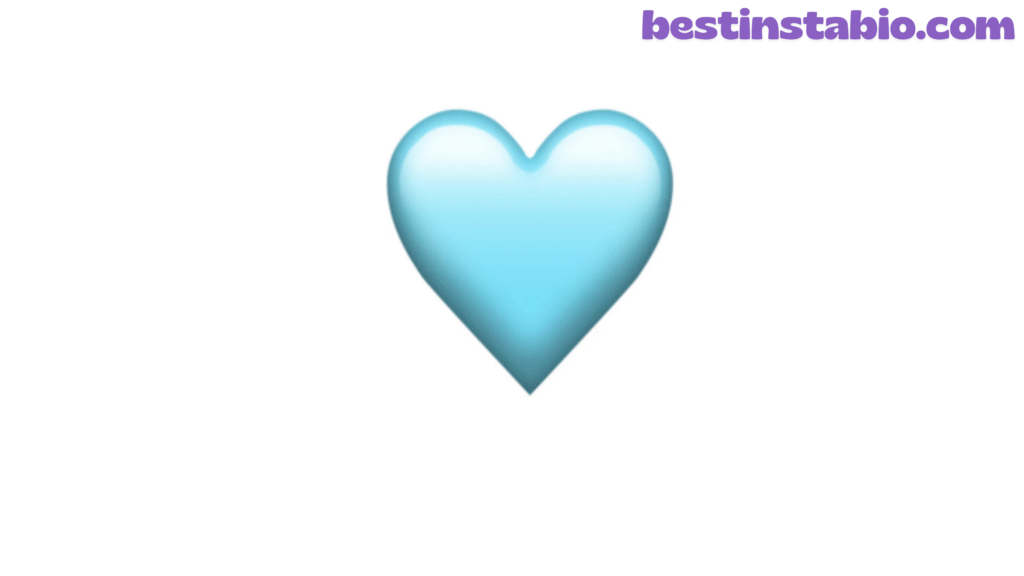
- Also Known As: Cyan heart emoji, teal heart, light blue heart, baby blue heart
- Shortcode:
:light_blue_heart:
Why It Was Created:
The Unicode Consortium added this emoji to:
- Provide more color options for self-expression
- Fill the gap between blue and white hearts
- Respond to user requests for pastel tones
- Support mental health and autism awareness movements
- Give people a gentle, platonic heart option
Platform Variations:
Each platform displays it slightly differently:
- Apple: Brightest, most cheerful light blue
- Google: Slightly more teal tinted
- Samsung: Softer, more pastel
- Microsoft: Medium light blue
- WhatsApp: Crisp, clean light blue
- Facebook: Similar to standard blue but lighter
Impact on Communication:
Since its release, the light blue heart has:
- Given people a new way to express platonic love
- Created a symbol for mental health support
- Provided representation in baby content
- Filled a communication gap between friendship and romance
- Offered aesthetic options for content creators
- Strengthened autism awareness campaigns
Future Outlook:
The light blue heart emoji continues growing in popularity. Experts predict:
- Increased use in wellness and mental health contexts
- More brands incorporating it in social campaigns
- Continued association with autism awareness
- Standard feature in platonic relationship communication
- Growing presence in aesthetic and visual content
5 FAQs About Light Blue Heart Emoji
1. What does the 🩵 light blue heart emoji mean?
The light blue heart emoji primarily means trust, loyalty, calm, and platonic love. It represents peaceful affection, friendship, and support without romantic implications.
This emoji conveys gentle, caring feelings and is often used to show compassion, understanding, and serenity. It’s perfect for expressing tender love to friends, family, and people you want to support emotionally.
The 🩵 meaning also includes associations with mental health awareness, baby boy announcements, and autism awareness. Many people choose it because it’s cheerful and optimistic while remaining gentle not overwhelming.
It’s become known as the “golden retriever of emoji world” because it’s friendly, loyal, and spreads boundless positive vibes wherever it goes!
2. Is there a difference between the light blue heart and regular blue heart?
Yes! The light blue heart vs regular blue heart comparison shows clear differences. The regular blue heart (💙) has “bro energy” and feels more casual and neutral – it’s often used for brands, sports teams, or surface-level connections. It lacks emotional depth and feels corporate.
The light blue heart (🩵), however, carries more emotional weight. It’s softer, more tender, and conveys deep bonds and genuine care.
While both are platonic, the light blue version feels warmer and more personal. Think of it as the difference between “we’re cool” (regular blue) and “you really matter to me” (light blue).
The baby blue shade also connects to baby boy content, mental health, and autism awareness – associations the regular blue heart doesn’t carry. Released as a new heart emoji 2022, it fills a gap between friendship and deeper platonic love.
3. When should I use the light blue heart emoji?
Use the light blue heart emoji when you want to express:
- Platonic love and friendship without romance
- Support for someone’s mental health journey
- Congratulations on baby boy news or gender reveals
- Autism awareness and acceptance
- Calm, peaceful, serene feelings
- Trust and loyalty in relationships
- Compassion and understanding
- Gentle encouragement and support
Perfect situations include texting close friends, supporting mental health conversations, celebrating friendships, baby announcements, wellness content, beach/water posts, and aesthetic posts with pastel tones.
Avoid using it for romantic partners (too platonic), serious grief (too cheerful), or when you want to flirt (sends friend-zone signals). It’s the go-to emoji when you care deeply but platonically!
4. Why is the light blue heart associated with autism and mental health?
The light blue heart emoji has strong connections to both autism awareness and mental health for several reasons:
Autism Awareness: Light blue is the official color of autism awareness campaigns. Organizations like Autism Speaks use light blue in their “Light It Up Blue” campaign every April during Autism Acceptance Month.
The color represents understanding, acceptance, and support for autistic individuals and their families. Using the light blue heart shows solidarity with the autism community and promotes neurodiversity.
Mental Health: The calm, soothing, and peaceful qualities of light blue make it perfect for mental health awareness. The color psychologically represents tranquility, serenity, and stability – all important for mental wellness.
The gentle, non-threatening nature of this emoji creates safe spaces for mental health discussions. It shows compassion without being overwhelming, making people feel comfortable opening up about their struggles.
Both communities have embraced this emoji because it’s tender, caring, and represents hope while acknowledging challenges.
5. Can I use the light blue heart for romantic relationships?
Generally, no – the light blue heart is best reserved for platonic relationships. Here’s why:
The emoji carries platonic love energy and might accidentally friend-zone someone you’re interested in romantically.
Conclusion
The light blue heart emoji (💙) has become a versatile symbol that expresses calmness, trust, loyalty, and supportive affection. Whether used between friends, partners, or communities, it carries a gentle emotional tone that feels sincere without being overly romantic.
Its strong association with peace, clarity, and positive energy also makes it popular in awareness posts, fandoms, and social messages.
Understanding what the light blue heart emoji means helps you use it more confidently and intentionally in chats, captions, and online interactions.